Łukasz Sagun
2026-03-25
•
6
min

Most unnecessary purchases do not stem from extravagance. They stem from a lack of visibility. When an organization does not know what it already owns, where a specific item is located, who is using it, and whether it can be moved between locations, a purchase decision becomes the easiest answer. Therefore, the question of how to limit the purchase of unnecessary equipment is, in practice, a question about asset control, data quality, and process order.
In medium and large organizations, the problem grows quickly. Some equipment reaches new employees without being fully registered, some remains in departments after projects are completed, and some functions outside the central knowledge of administration. When a new need arises, purchasing seems faster than verifying existing resources. In the short term, this is convenient. Operationally and financially, it is costly.
A well-designed process is not about making purchases difficult. It is about ensuring that every need is first confronted with the actual state of resources. If an employee reports a need for an additional monitor, scanner, or mobile device, the organization should know whether an identical item is available in another department, is returning from a completed project, or is listed as unused.
This requires one thing: a central source of data on equipment. Spreadsheets sent between departments do not provide such control, especially in distributed organizations. The problem lies not only in the fact that data is incomplete. It is just as often outdated, duplicated, or scattered between administration, finance, IT, and local coordinators.
If a company wants to realistically reduce the number of unnecessary purchases, it must first define what it considers unnecessary equipment. This is not just equipment bought without a need. It is also an asset bought despite the availability of a counterpart in another location, an item held without an active user, equipment ordered "just in case" without a usage forecast, and devices whose status was not correctly recorded after return or exchange.
The most common cause is the lack of up-to-date operational records. Many organizations maintain records primarily for accounting or inventory purposes, rather than for daily usage. As a result, it is known that an item exists, but it is not known whether it is functional, where exactly it is located, and whether it can be reassigned.
The second source of the problem is the separation of responsibilities. Purchases are made by one team, records are kept by another, users are served by further units, and the decision about a need arises locally. If these areas do not work on shared data, the organization reacts to requests instead of managing resources.
The third factor is the lack of a procedure preceding a purchase. In many companies, a purchase request starts with the question "what do you need?", whereas it should start with "do we already have this resource and can it be moved?". Such a change seems simple, but without system support, it ends in manual email checking, phone calls to locations, and delays that teams want to avoid.
There is also the issue of organizational culture. If a quick purchase is rewarded more than the efficient use of assets, employees learn that it is easier to order new items than to initiate an internal equipment circulation. This is not a people problem. It is a problem of a poorly designed process.
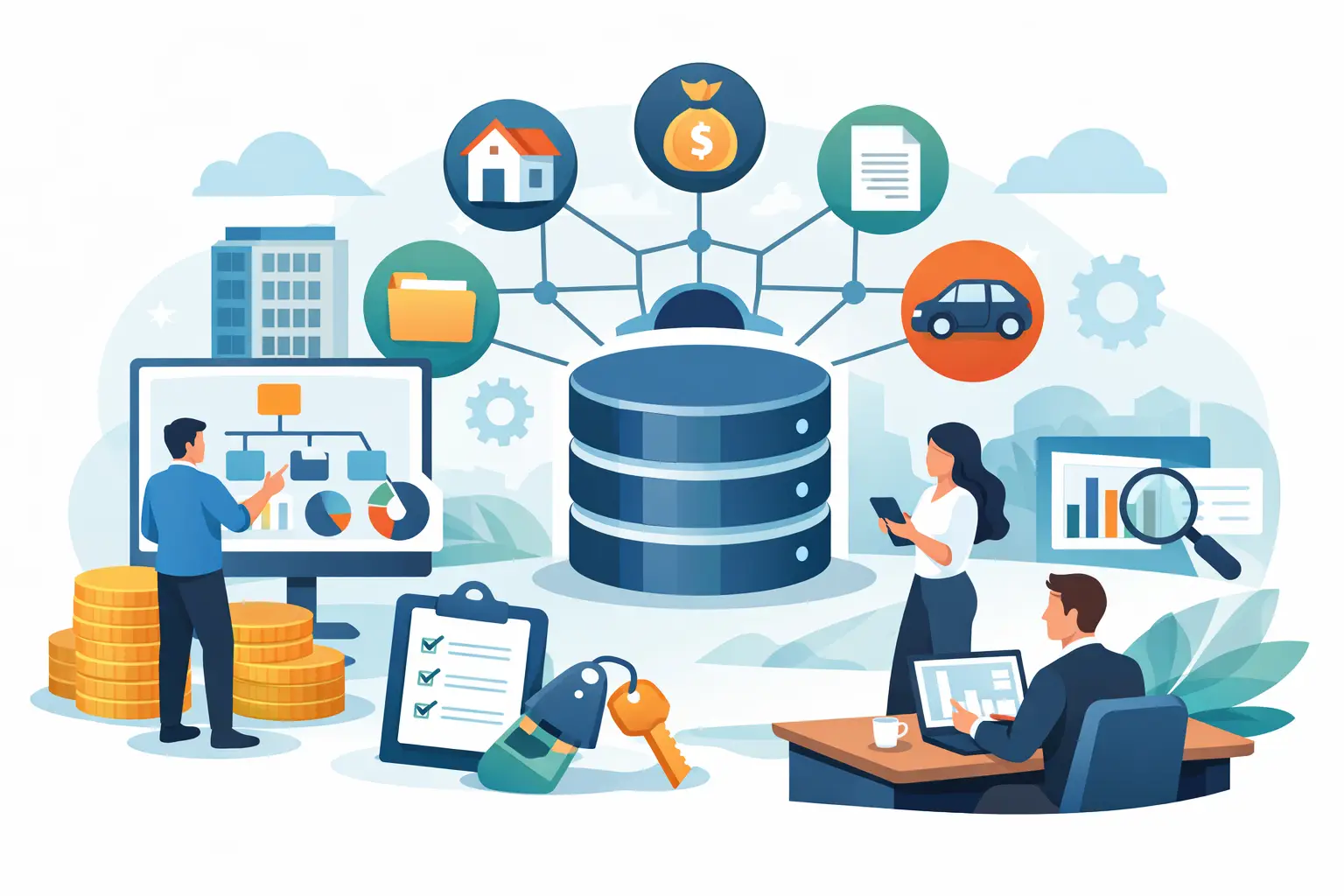
To limit unnecessary equipment purchases, three layers must be organized simultaneously. The first is data, the second is the decision flow, and the third is responsibility for the accuracy of information.
Data should be central and unambiguous. Every piece of equipment must have its status, location, assignment to a user or organizational unit, and information about availability. An inventory number alone is not enough. In operational practice, you need an answer to the question of whether this resource can be used here and now.
The decision flow should include a stage for verifying internal resources before approving a purchase. This is not about manually searching through registers, but about a process standard. A purchase request should have a space to confirm that the availability of equipment in the organization has been checked, and if a purchase is necessary despite this, for what reason.
Responsibility must be assigned. If no one is responsible for updating statuses after a return, relocation, liquidation, or repair, even the best database quickly ceases to be reliable. In a large organization, the lack of a process owner means an increase in costs almost automatically.
Many companies have data, but not the kind that helps reduce costs. For purchasing, operational information is key: availability, usage, transfer history, return date, technical condition, and time since last use. Only such a set allows one to distinguish a truly needed item from an item that is already available but simply invisible from the perspective of the person submitting the request.
This is particularly important where equipment circulates between departments, employees, and projects. Without real-time status updates, an organization creates artificial shortages. And artificial shortages very often lead to actual purchases.
The most effective organizations don't start by cutting budgets, but by streamlining the decision-making path. If the goal is fewer unnecessary purchases, the process must support resource reuse rather than just recording expenses after the fact.
The first step is full equipment identification and status standardization. Items cannot be listed as "somewhere in the department," "with a user," or "in storage, but condition unknown." You need operational statuses that allow you to quickly assess whether an asset is ready for issuance, relocation, or disposal.
The second step is integrating availability checks into the procurement process. Before a purchase is approved, the organization should see if an internal transfer is possible. In some cases, the answer will be no—and that is fine. The point is not to block needs, but to eliminate purchases resulting from a lack of information.
The third step is pattern analysis. If the same type of equipment is constantly ordered by different units, it is worth checking whether the problem is a real increase in demand or poor rotation of existing assets. This is an important distinction. Without it, a company might increase its purchasing budget even though the cost source is inefficient asset circulation.
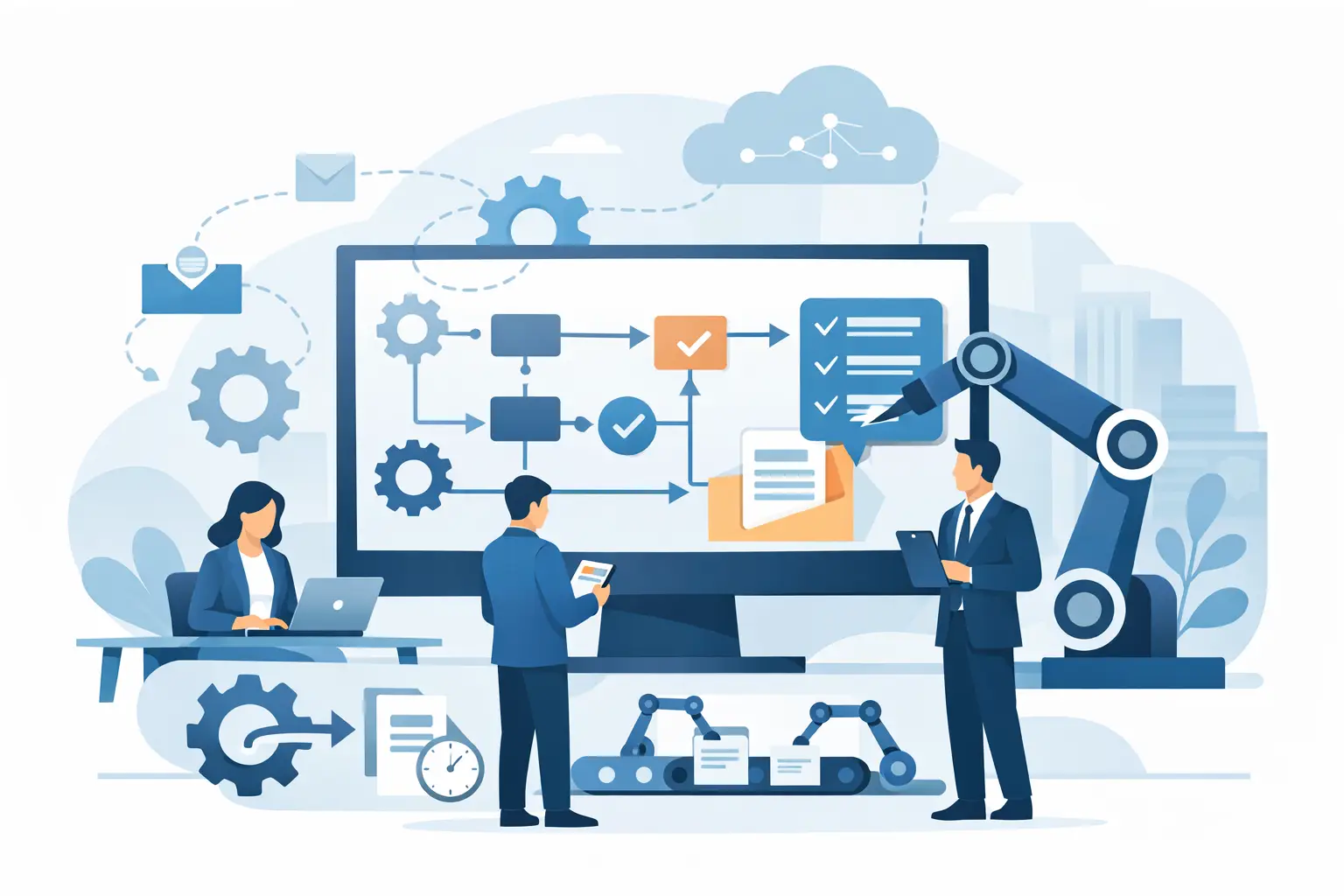
The fourth step is automating reminders and events. Returns after project completion, equipment replacement, user changes, or contract terminations are moments when equipment should return to the visible resource pool. If an organization relies solely on employee memory, some assets simply disappear from view.
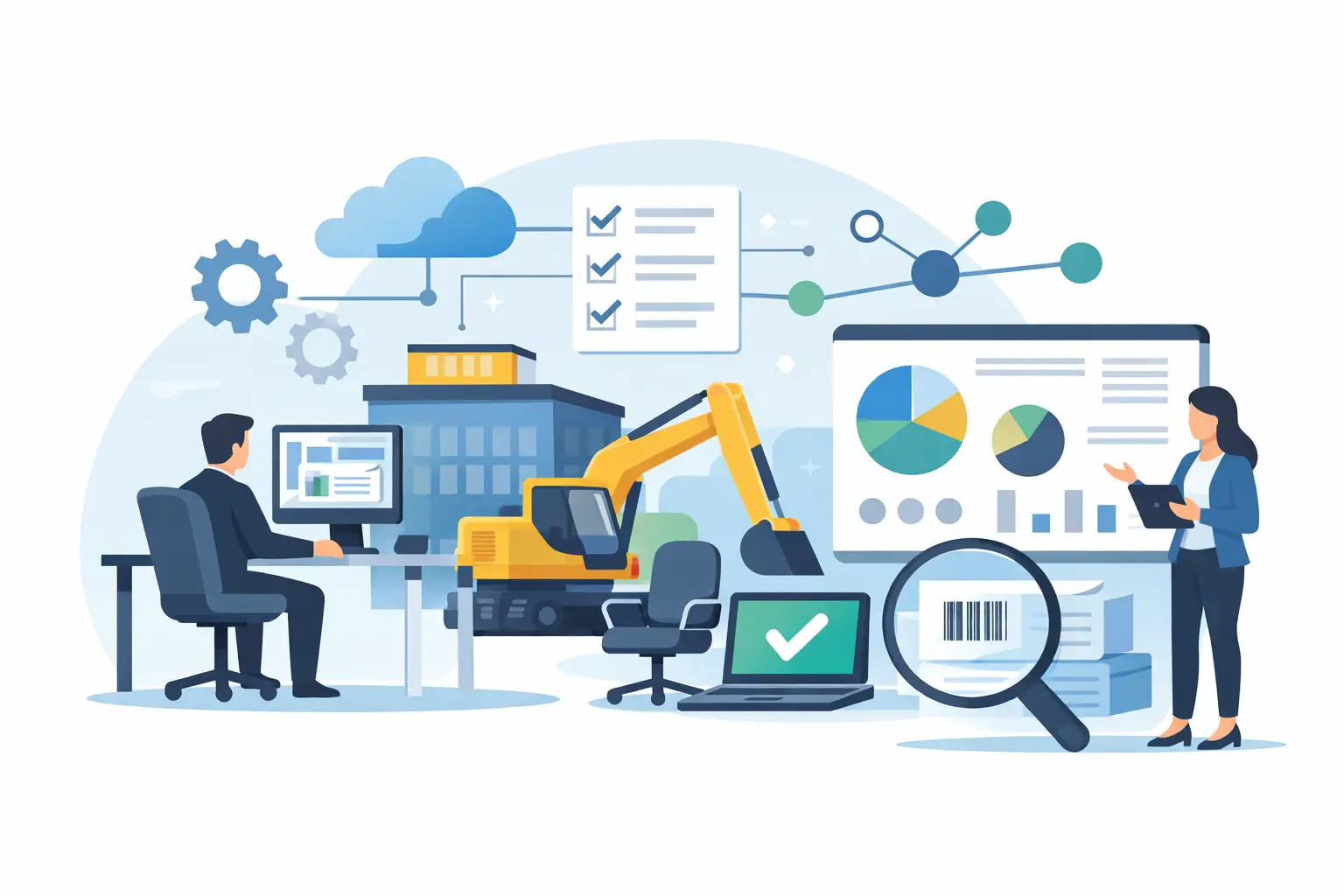
The biggest impact usually comes not from a single large action, but from limiting repetitive, small purchases. Monitors, phones, printers, scanners, furniture, workstation equipment, and auxiliary devices—these are the categories most frequently duplicated because they are needed quickly and are relatively easy to order.
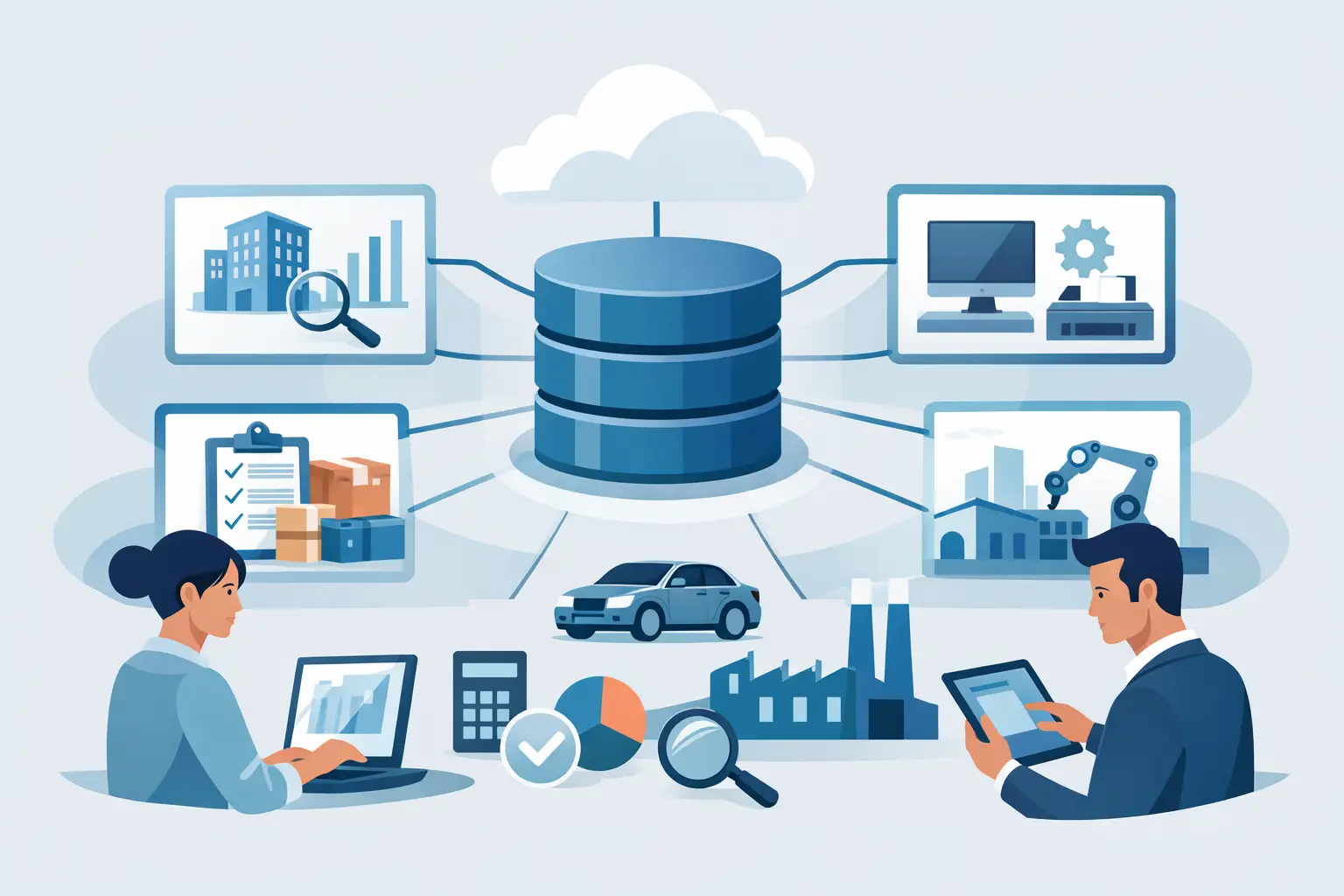
In multi-location organizations, transparency between units offers particularly high potential. One branch reports a lack of equipment, while another has a surplus after an organizational change, but without a shared system, these data points never meet. The cost of a new purchase is often higher than the cost of a simple transfer, yet that transfer never happens because no one initiates it based on hard data.
It is also worth looking beyond the purchase expense itself. Every unnecessary item represents not just an acquisition cost, but also costs for record-keeping, handling, inventory, storage space, maintenance, and eventual disposal. From an operational perspective, unnecessary equipment burdens the process multiple times over.
Implementing a tool alone does not solve the problem if the organization does not change how it works. But without technology, it is difficult to maintain control over assets at scale, with high dispersion and frequent user changes. Therefore, a system should not just record equipment, but support real decisions: where an asset is, whether it is available, when it will return, who is responsible for updating its status, and whether a purchase is actually justified.
This is exactly where the difference lies between simple record-keeping and asset management. Record-keeping answers the question of what a company owns. Management answers the question of how to use it better and more cheaply. In business practice, only the latter approach allows for the sustainable reduction of unnecessary purchases.
Organizations that organize these areas gain more than just savings. They shorten request processing times, reduce inter-departmental disputes, improve inventory preparation, and strengthen procedural compliance. This is why the topic of unnecessary equipment purchases should not be treated as a peripheral administrative task, but as part of operational control.
If a company wants to buy less, it shouldn't start with a purchasing ban. It should start by creating conditions where a purchase becomes the last resort, not the first response. That is when organized data begins to drive business results.

























.webp)