Łukasz Sagun
2026-03-25
•
5
min
.webp)
It is hard to disagree with the accuracy of this statement, especially when applied to such an important issue as our organization's assets. At the beginning of our "Modern Asset Management" series, we encourage you to ask yourself: is it worth knowing what you have? The question seems almost trivial, and most of you will likely answer that it is. But how does this translate into business reality?
The many years of experience of the EXINO team show that the reality is often quite different... But let's start from the beginning. This topic cannot be generalized, as our title question will have a distinctly different meaning depending on the department managing the assets. We are considering the accounting, administration, and IT departments here.
Can you imagine your organization functioning without well-managed accounting? We know full well that it is impossible. The accounting department is definitely one of the most important elements of any business entity's operation—especially when it comes to asset management.
However, at the beginning of our cooperation with clients, we have often heard that "we manage somehow," "we have our own ways," or "we just expense it." It is no secret that in most cases, it is very difficult to obtain precise information from accounting regarding purchased low-value assets (under 10,000 PLN), which are expensed directly. So, we know there was a purchase, a supplier, an invoice, and a cost. The situation is different for items classified as fixed assets. Here, we have significantly more information recorded in the fixed asset register.
In summary, we possess fragmented knowledge. But wouldn't it be better to have a full spectrum of knowledge about our organization's assets?
Another pillar of an organization is the administration department. An omniscient management hub that should have full knowledge of all purchased and used assets. This clearly has its advantages. As it turns out, it also has its negative consequences...
At first, you might be indignant at our last sentence. However, anyone who works in administration knows how many emails and phone calls about assets come in daily from employees across the entire organization. Have you ever asked yourself how much easier and simpler it would be to manage your entity if this "secret knowledge" were available to other employees?
When considering the subject of this article, we cannot overlook such an important part of an organization as the IT department. This is where specialized knowledge about IT assets resides. How do IT departments handle inventory? The answer is: efficiently. Very often, they use dedicated, custom database solutions. And here, it is impossible not to appreciate that truly powerful tool: the ever-present, reliable Excel. But is it reliable enough to entrust it with all the critical knowledge required for managing assets?
EXINO, and especially the exino platform, would not exist if we didn't believe that complete knowledge about managed assets is a make-or-break factor for an organization. Over the years, our clients have also learned that recording all assets, even those with negligible value to their entity, is the foundation of a well-functioning business.
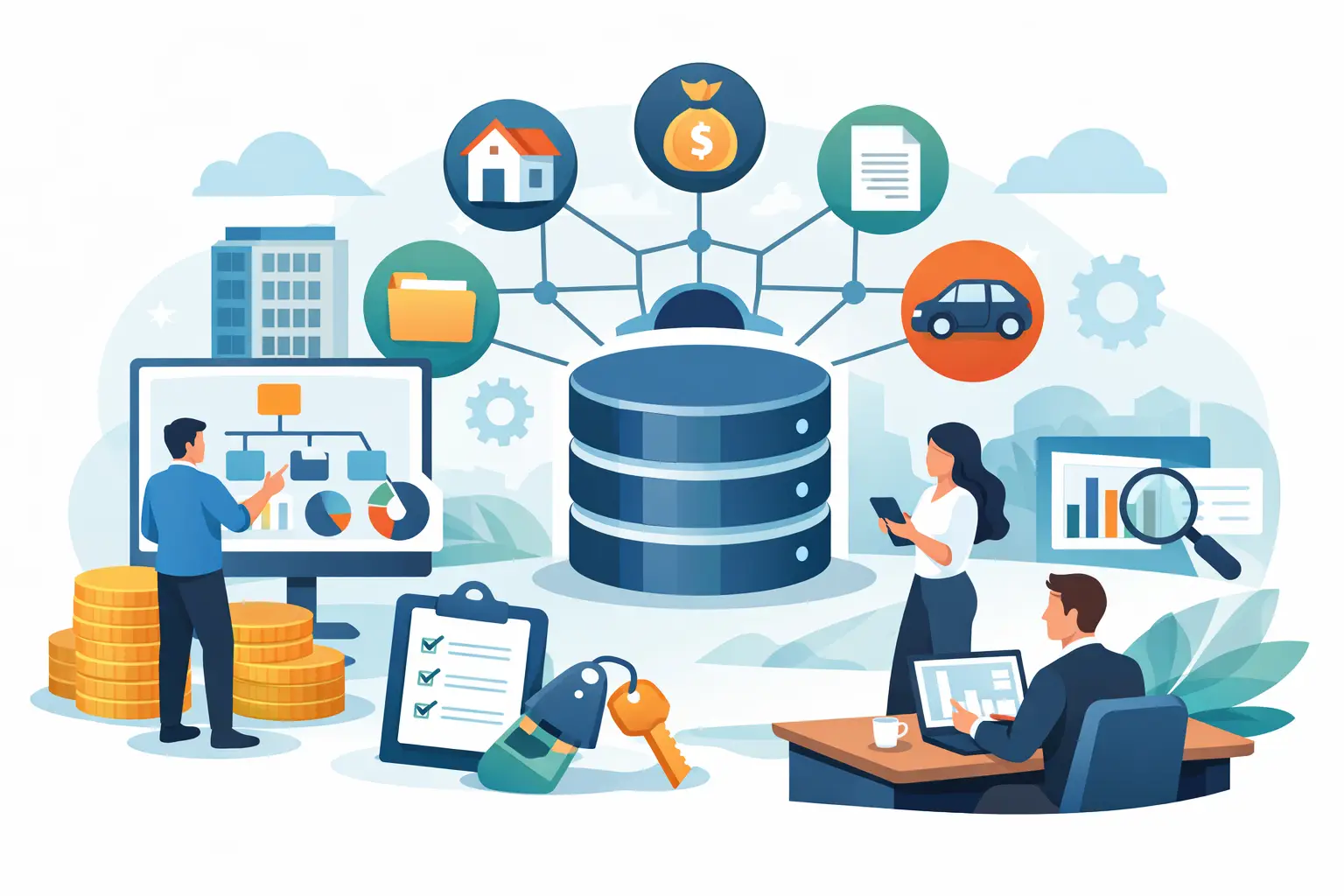
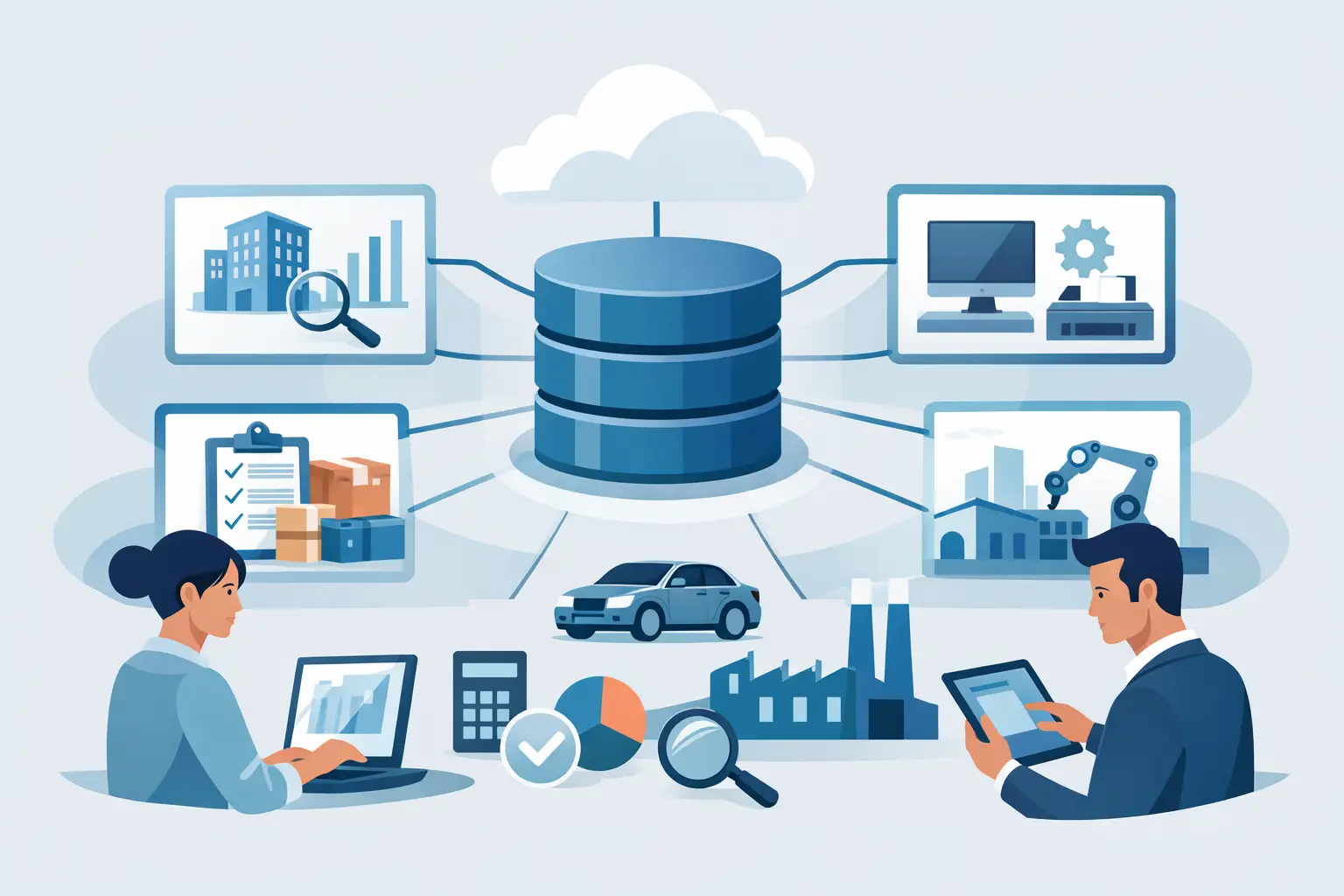
When designing the concept of eMajątek 4.0 we assumed the use of a centralized IT system that serves as a unique information repository for organizational assets. A repository is a knowledge hub where every department in the organization can maintain records containing the information relevant to them. Everything in one place, with unlimited accessibility, under strict control, and with full transparency.
We are firmly convinced that it is worth knowing. However, for knowledge to be useful, it must be well-planned and distributed. What do you think? Is it worth knowing or not? Think about it and let us know in the comments.
#assetmanagement #business #organization #fixedassets #lowvalueassets #accounting #administration #business #exino #eMajątek 4.0