Łukasz Sagun
2026-03-25
•
5
min
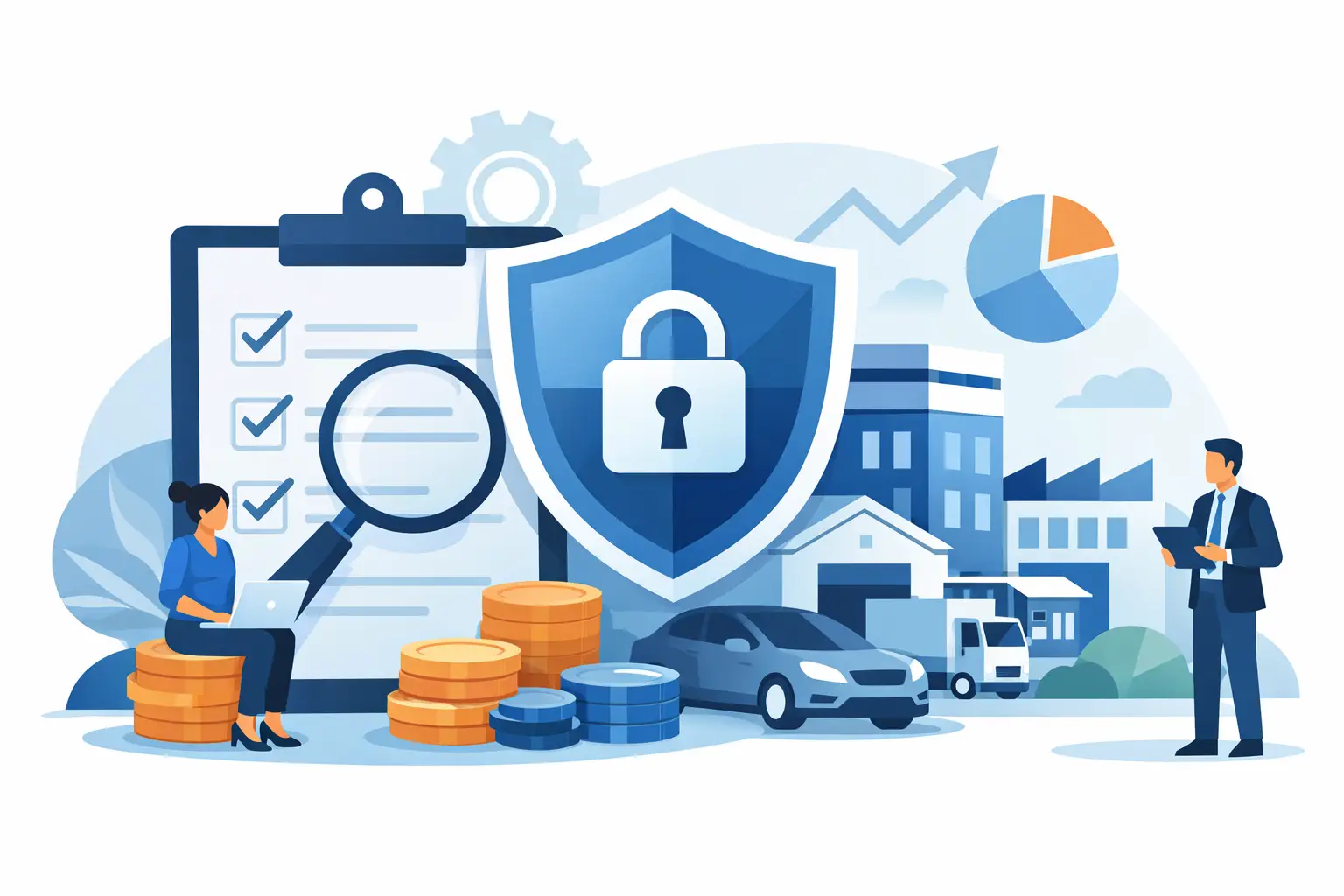
Inventory day shouldn't mean calling branches, manually comparing spreadsheets, and hunting for equipment that the records say is in one place but is actually being used somewhere else. This situation is a sign that asset control is reactive—it only kicks in when a shortage is discovered, an audit is looming, or a new purchase is required. In an organization managing hundreds or thousands of assets, that is far too late.
An effective model relies on real-time visibility: the company knows what it owns, where a given item is located, who is responsible for it, what its condition is, and what the next steps should be. This is not just a matter of keeping the fixed asset register in order. It is the foundation for purchasing decisions, operational security, and procedural compliance.
Asset control is an organization's ability to manage the full lifecycle of its assets—from procurement and receipt, through labeling, assignment to a user, relocation, and maintenance, all the way to disposal or sale. It covers fixed assets, equipment, specialized devices, IT hardware, furniture, tools, and other items used in daily operations.
Financial records alone do not guarantee control. They may correctly indicate an item's value, inventory number, and acquisition date, but they won't answer whether the device is available, in use, functional, or assigned to the right person. It is precisely at the intersection of financial and operational data that the most common gaps occur.
Good control combines both areas into a single, up-to-date picture. The finance department receives reliable data for settlements and reporting. Administration sees locations, custodians, and movement history. Operations can plan resource utilization without purchasing equipment that is already sitting in another department.
The most expensive problems usually don't stem from one major mistake. They accumulate through seemingly minor oversights: equipment handed over without a receipt, a room change not entered into the system, a lack of information about a device return after an employee leaves, or equipment left in a locked storage room.
In multi-site organizations, operating with multiple local registers is particularly risky. Each may be correct from the perspective of a specific branch, but the sum of this data does not create a reliable picture of the entire company. This leads to duplicates, naming inconsistencies, and unclear lines of responsibility.
The consequence is unnecessary spending. When an employee cannot quickly check the availability of a device, they order a new one. When the administration department doesn't know the service history, they replace equipment sooner than necessary. When inventory data is incomplete, the workload before an audit increases, as does the risk of the records being challenged.
In sectors with high procedural requirements, including healthcare, business continuity is also at stake. A lack of information about a device's location, technical status, or service due date can delay team performance and make it difficult to meet internal standards.
The first step is not buying technology, but organizing the data model. An organization should clearly define what information is mandatory for each type of asset and who is responsible for keeping it up to date. The minimum scope includes an identifier, category, location, responsible person or department, usage status, and data relevant to finance and maintenance.
Not all assets require the same level of detail. A laptop assigned to an employee requires precise assignment and a return history. Conference chairs can be controlled at the room or set level. A specialized technical device should additionally have associated documents, a maintenance schedule, and warranty parameters. An overly complex record for every item increases administrative burden, while one that is too simple prevents informed decision-making.
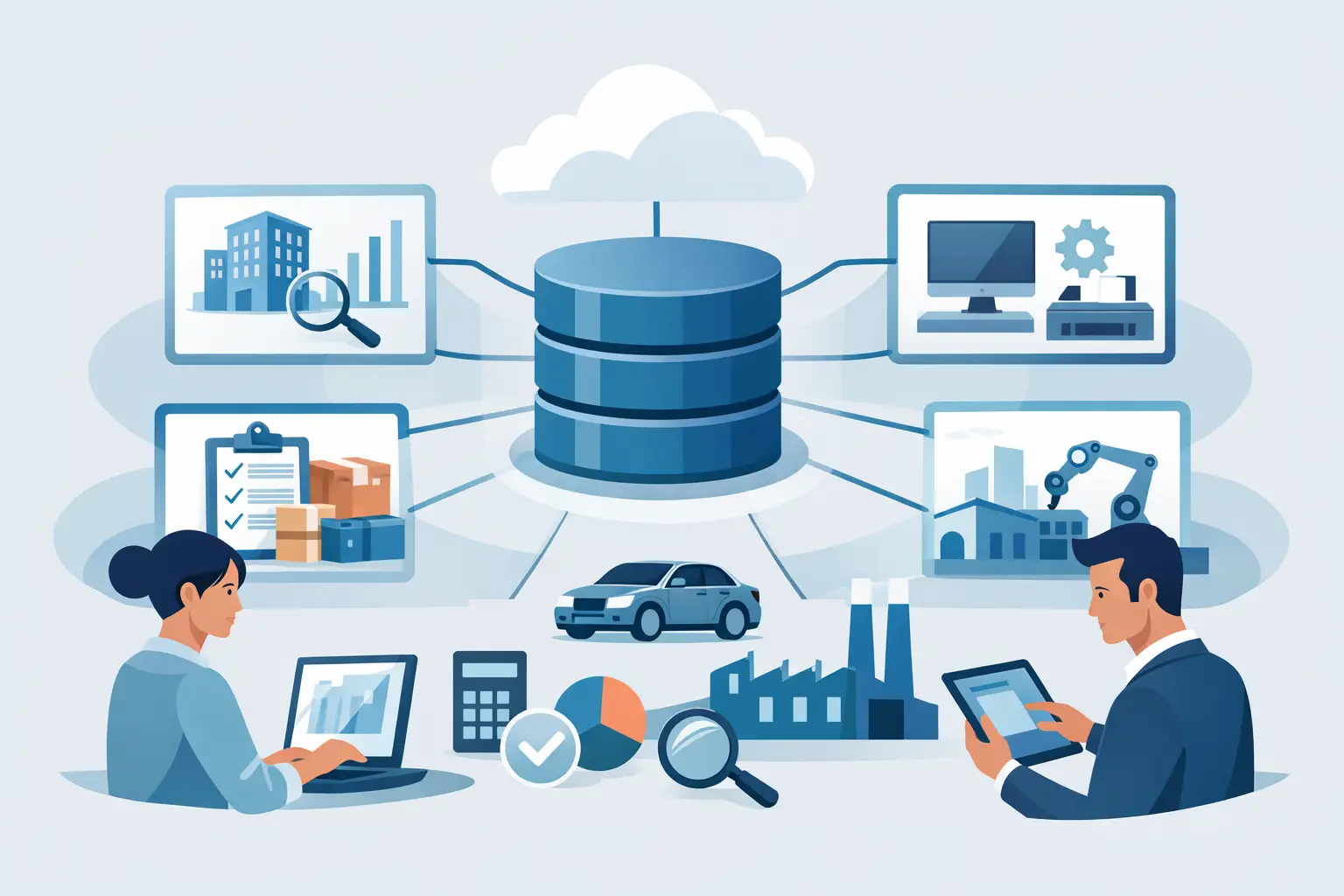
A central data repository eliminates the need to reconcile information between the financial system, the administration department's spreadsheet, and local equipment lists. There is one condition: data must be updated at the moment an event occurs, not just before inventory.
The best asset database will quickly lose its value if changing a location or user requires a series of emails and manual data entry. Control must be embedded in daily processes, with a simple division of responsibilities.
An asset should be recorded the moment it is received, not weeks later. Labeling with barcodes, QR codes, or RFID technology links the physical item to its digital record. This ensures that identification during transfers, inspections, or audits does not rely on reading serial numbers or an employee's memory.
Every change in responsibility should leave a trail: who transferred the asset, to whom, when, and to which location. This protects the organization, but above all, it speeds up the resolution of discrepancies. It is not about creating bureaucracy around every desk lamp. It is about maintaining control over events that affect the value, availability, security, or accountability of an asset.
Technical assets require monitoring not only of their location but also of their condition. Automated reminders for inspections, warranty expirations, or mandatory certifications allow for proactive planning. In this area, the cost of the system often pays for itself by reducing breakdowns, delays, and costly emergency interventions.
An asset retired from use should not remain active in the register just because the process was never completed. A clear decision path allows you to distinguish between equipment intended for repair, relocation, sale, disposal, or accounting write-off. This reduces both the risk of record-keeping errors and the storage of unnecessary resources.
Manual inventory conducted on paper or in scattered spreadsheets involves many people and generates errors during data entry. Digital process support allows you to assign inventory scopes to locations and teams, scan labels on the go, and handle discrepancies in real time.
The biggest change, however, is not just faster code scanning. It is that a discrepancy becomes a specific task: the asset is in a different location, has changed custodians, was not found, or requires a status check. The team does not have to reconstruct the context from notes after the audit is finished.
The frequency of checks should depend on risk. Mobile equipment and valuable devices require more frequent verification than stationary furniture assigned to a single room. Continuous or partial inventory may be a better solution than one large annual audit if the organization has distributed assets and a high volume of changes.
Implementation should be evaluated based on operational metrics, not the number of records migrated to the system. It is worth tracking the time required to conduct an inventory, the percentage of assets with complete assignments, the number of unresolved discrepancies, and the time taken to process relocations and returns.
Procurement metrics are equally important. If a company can demonstrate that it verifies the availability of resources in other locations before making a purchase, it can reduce equipment duplication. For serviced assets, it is worth measuring the timeliness of inspections and the percentage of devices out of service due to breakdowns.
Not every benefit will appear immediately in a single financial report. Some effects include fewer hours of administrative work, less time spent searching for equipment, and a lower risk of errors. In a large organization, these savings accumulate with every process, location, and subsequent inventory cycle.
An asset management platform organizes data, automates reminders, and facilitates fieldwork, but it will not replace the process owner. Before implementation, it is worth establishing who approves changes, who resolves exceptions, and who is responsible for data quality in individual units.
In a model like eMajątek 4.0 from EXINO, technology is integrated with implementation methodology. This is particularly important when an organization needs to reconcile the requirements of finance, administration, technical departments, and end users. The system should reflect the actual lifecycle of assets rather than imposing a process that teams will only try to bypass.
Well-designed asset control is not about tracking every single item with the same level of intensity. It is about knowing enough at any given moment to make the right decision—whether regarding utilization, relocation, maintenance, or procurement. This is exactly what transforms record-keeping from an administrative burden into a tool for genuine cost and operational control.















.webp)