Łukasz Sagun
2026-03-25
•
5
min
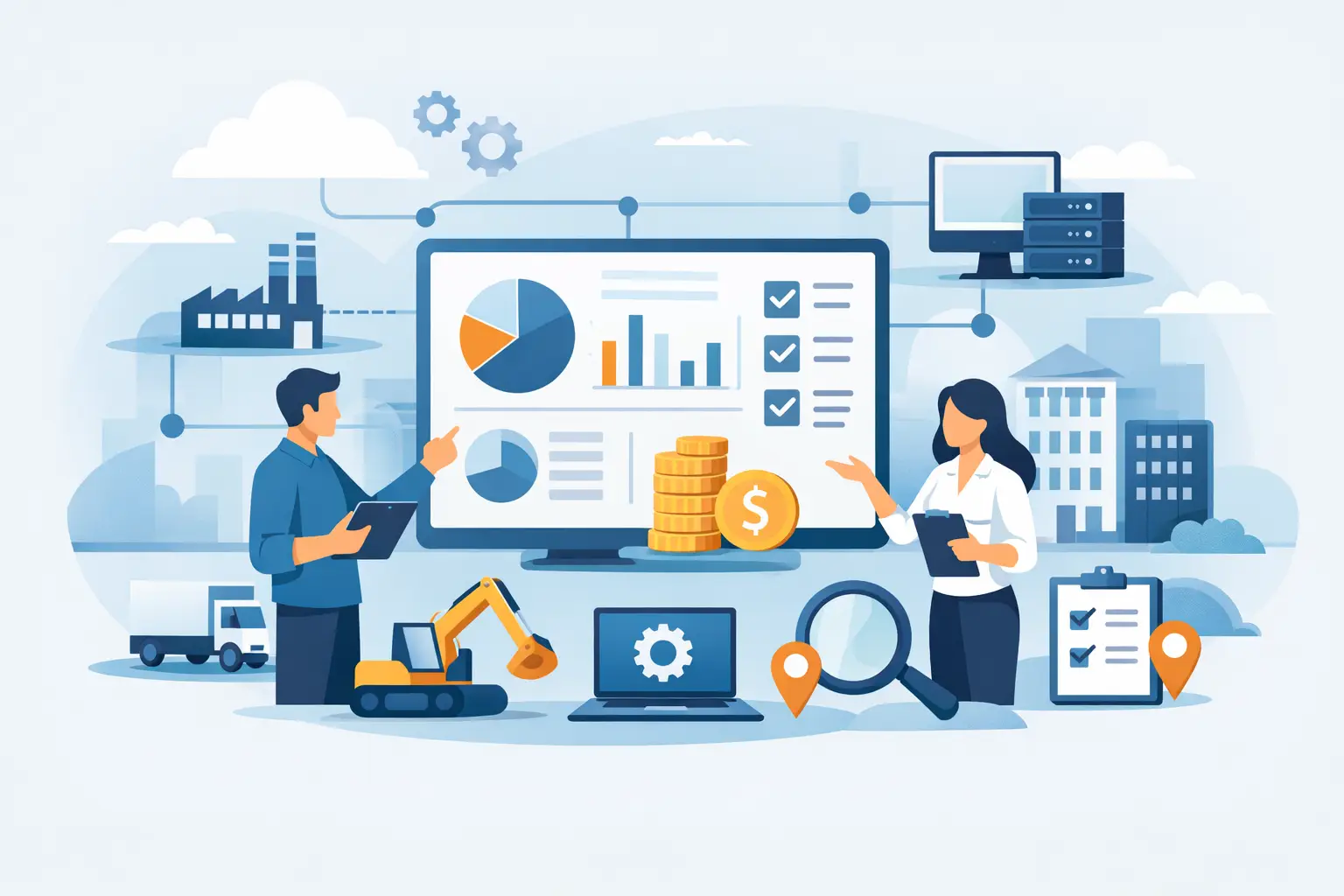
When an organization has hundreds or thousands of assets across multiple locations, the problem usually doesn't start with a lack of equipment. It starts with a lack of certainty. Where exactly is a given asset, who is using it, what is its condition, and is it really necessary to buy another one? This is precisely why a company asset management system stops being a convenient add-on and becomes a tool for operational control.
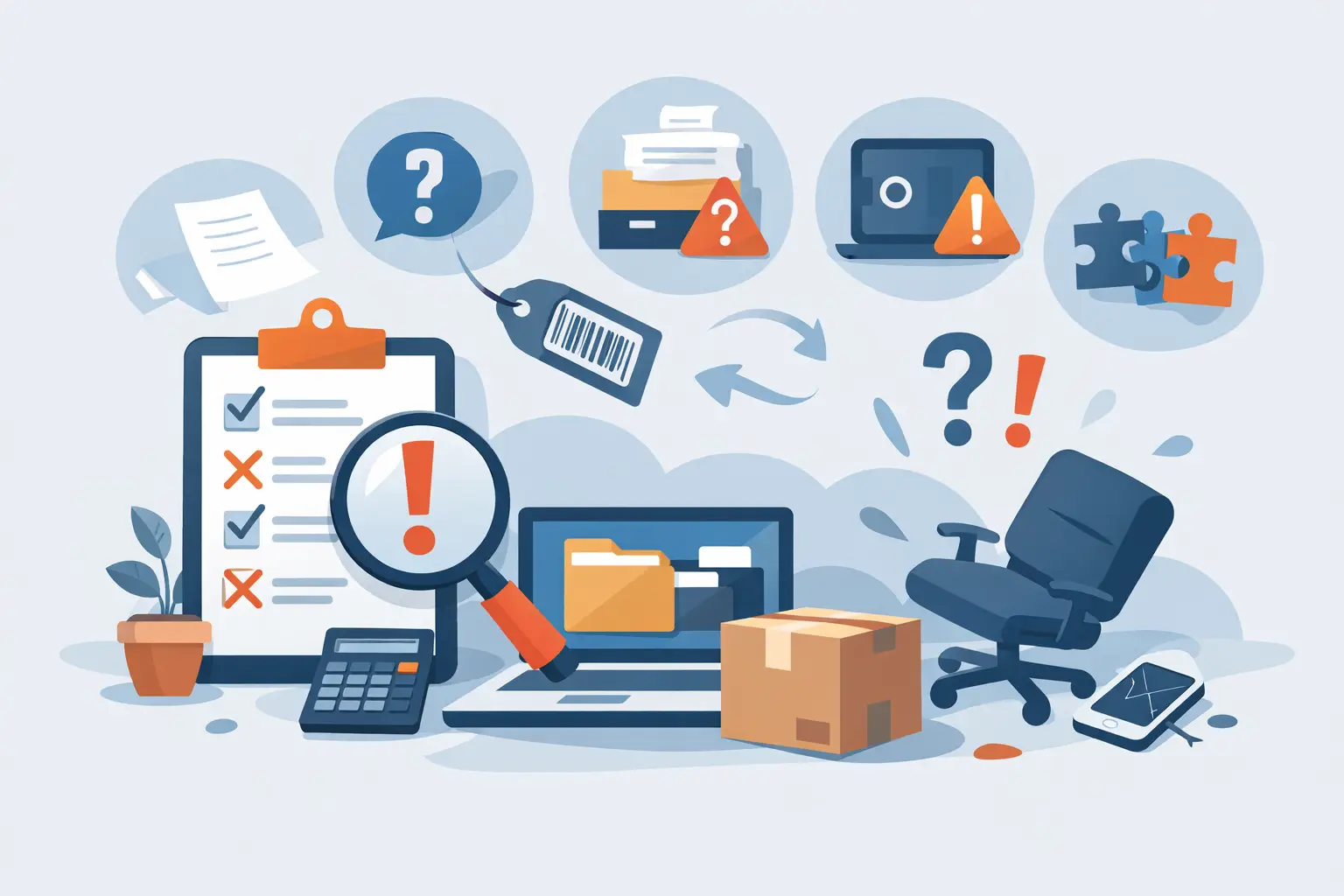
In practice, the biggest cost is not the assets themselves, but the chaos surrounding them. Scattered spreadsheets, disparate data sources, manual updates, and inventory counts conducted under time pressure create an environment prone to errors, duplicates, and unnecessary purchases. When you add audit requirements, internal procedures, and compliance responsibilities to the mix, the scale of risk grows faster than the number of assets.
A well-designed system is not just for entering an inventory number and printing a label. Its purpose is to organize the entire lifecycle of an asset—from purchase and receipt, through usage, relocation, and maintenance, to disposal or decommissioning.
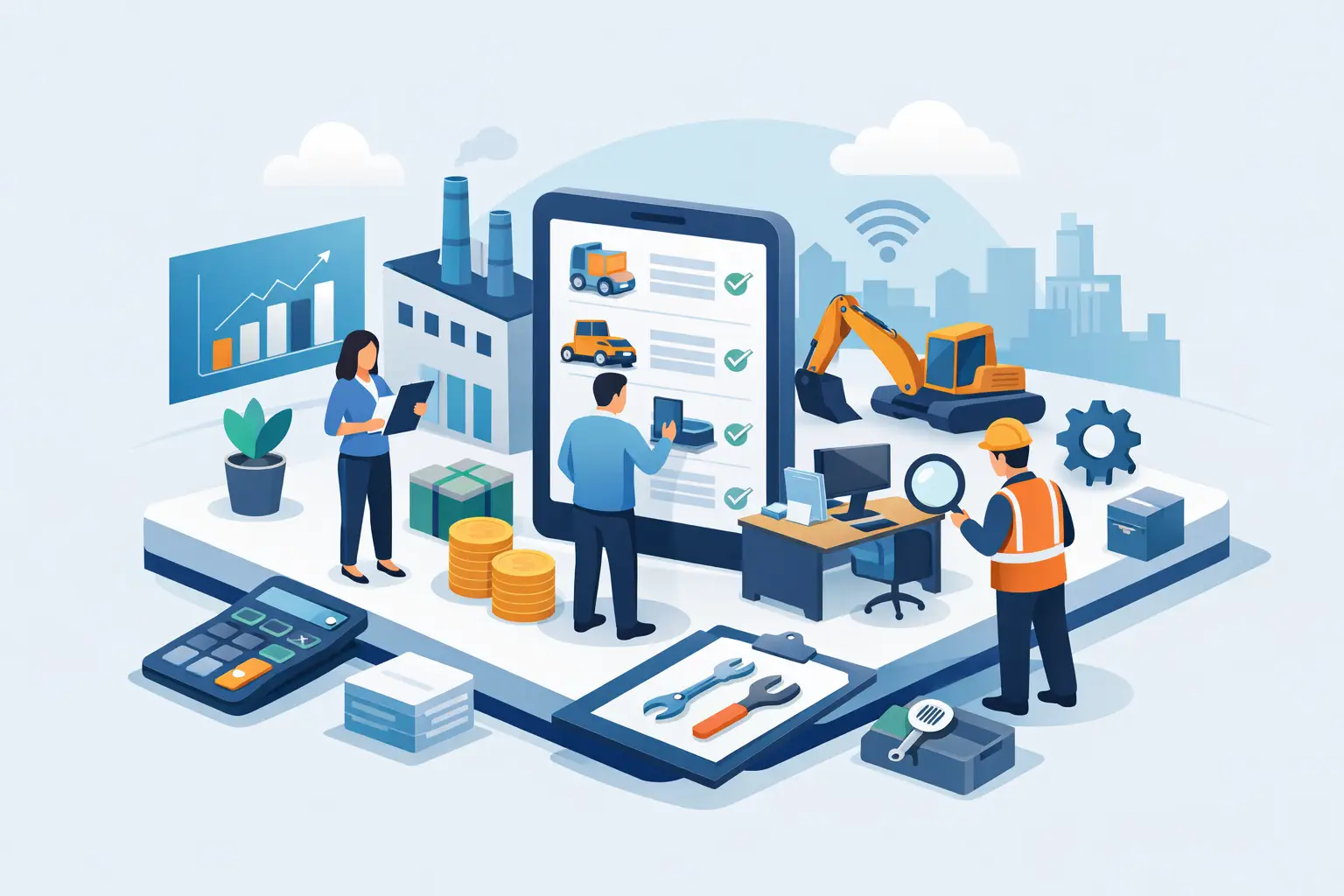
This means a central data repository where every change is recorded in one place. The administration department sees location and accountability, finance has consistency with fixed asset records, operations gain control over resource availability, and those responsible for inventory no longer work from incomplete lists. In distributed organizations, this is the difference between managing assets and trying to reconstruct them from many inconsistent files.
A spreadsheet works until operational volatility exceeds the capacity for manual handling. When assets move between branches, employees, departments, and projects, every update becomes prone to delays. The same problem appears in different versions: the data is there, but you never know if it is current.
In medium and large organizations, this leads to tangible costs. A team buys equipment that already exists in another location. Inventory takes too long because discrepancies have to be explained. Audits require documents that are scattered across several places. Equipment maintenance is reactive because no one has a full picture of schedules and usage history.
A system organizes these dependencies, but it is worth staying realistic. Implementing a tool alone will not fix a process if the organization does not define data owners, update rules, and information workflows. Technology accelerates order. It does not replace it.
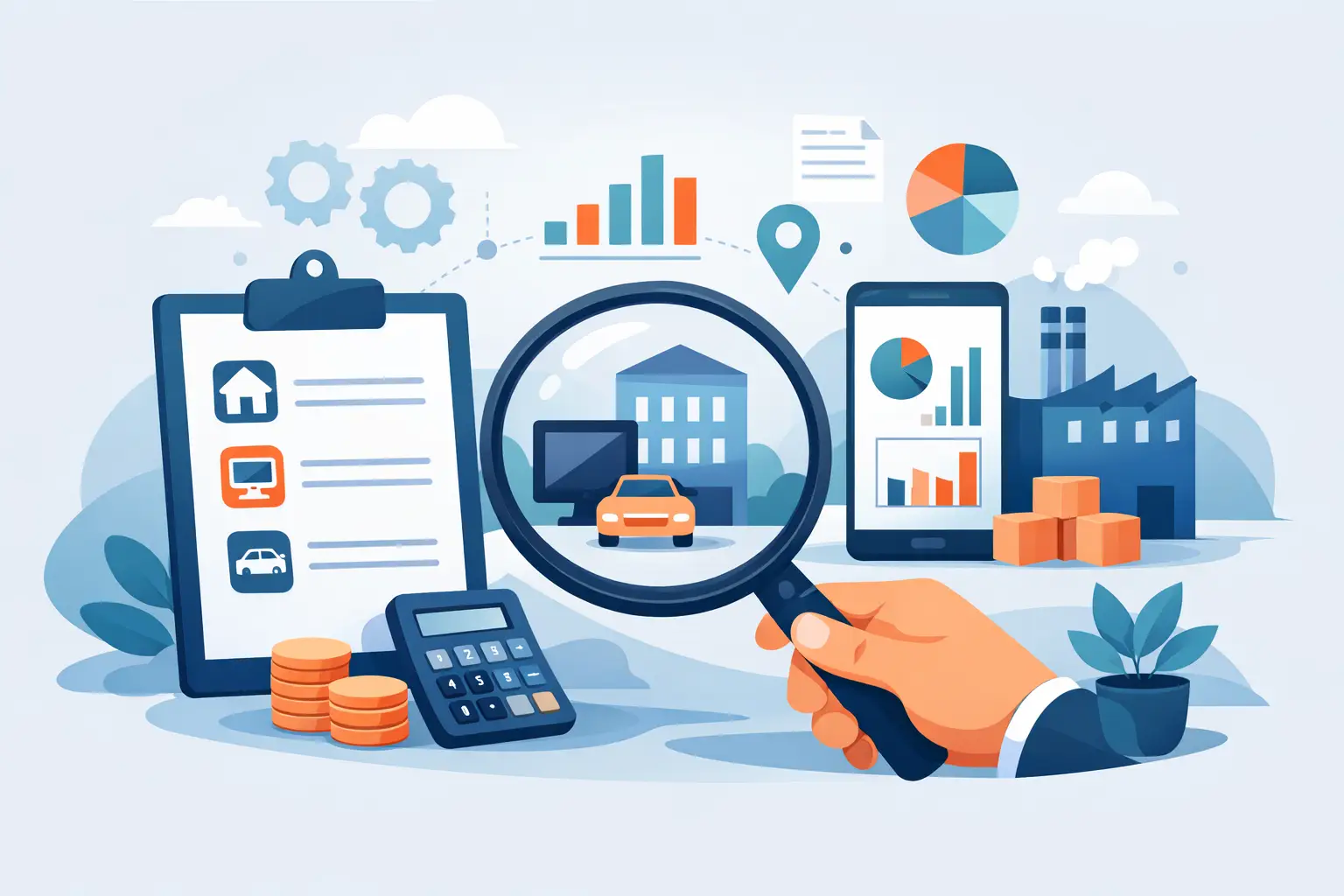
The most important benefit is visibility. The organization knows what it owns, where it is, who is responsible for it, and how intensively the resource is being used. This is the foundation for reducing unnecessary purchases and better planning the use of available assets.
The second issue is time. Inventory does not have to mean an annual mobilization of many people, manual list comparisons, and long explanations of shortages. When data is centralized, labels are clear, and statuses are up to date, the process itself becomes shorter and more predictable.
The third area is compliance and accountability. In organizations with high procedural requirements, it matters not only whether an asset exists, but also whether its history, assignment, transfers, and condition can be demonstrated. Without this, the risk of recording errors, problems during audits, and internal disputes over asset responsibility increases.
The best solutions do not focus on a single function, but on the consistency of the entire process. Data centralization is the starting point, but the ability to monitor changes, automate repetitive tasks, and maintain information order across multiple locations is equally important.
Roles and permissions are also essential. Administration needs different data than the finance department, and the person supervising a specific location needs something else entirely. If the system does not allow for precise management of access and responsibility, it quickly becomes a passive database instead of a working tool.
In practice, inventory management, recording transfers, change history, task reminders, and the ability to quickly reconstruct the context for a given asset also matter. This is where technology begins to deliver measurable results: fewer manual tasks, fewer questions between departments, and less time spent establishing basic facts.
The value of a system is not determined by its feature list, but by how it is implemented. Many organizations have experience with tools that looked great during the purchasing phase but later required the team to rely on numerous manual workarounds. The problem usually lies not in the software itself, but in the lack of an implementation methodology.
First, you need to define the scope. Which asset groups will the system cover, which processes should be handled from the start, what data is mandatory, and who is responsible for maintaining it? Without these decisions, even the best platform will fuel existing chaos faster than before.
The second stage is data migration and cleansing. This is the moment when an organization sees the scale of its inconsistencies: duplicates, outdated locations, non-standardized naming, missing history, or information scattered across different departments. This stage can be demanding, but it is exactly what builds the foundation for future savings.
Only then do the operational benefits appear: shorter inventory cycles, fewer inquiries about asset status, simpler reporting, and greater predictability in asset management. In a partnership model that combines technology with an implementation methodology, results appear faster because the organization does not have to reinvent the process from scratch.
It is best to start by asking about specific scenarios rather than the number of features. What happens when equipment changes location? How does the system handle employee accountability? What does the preparation and reconciliation of an inventory look like? Can you easily check an asset's history and reconstruct the decisions made regarding it?
It is also worth checking whether the solution supports the management of distributed assets, rather than just simple record-keeping. There is a big difference. Multi-branch organizations need a tool that streamlines the flow of information between units, not one that merely stores data in a single place.
The provider's business perspective also matters. If the conversation ends with system features, that is not enough. A better approach is to demonstrate how the solution impacts purchasing costs, inventory time, administrative burden, and data quality. In this area, the advantage comes not only from technology but from implementation experience and an understanding of real organizational problems. This is exactly how the EXINO approachworks, combining the platform with a practical methodology for organizing assets.
The fastest return occurs where assets are numerous, distributed, and heavily used. The more locations, transfers, users, and record-keeping obligations there are, the higher the cost of manual management. In such conditions, even partial automation yields a noticeable effect.
Organizations that regularly repurchase equipment due to a lack of visibility, involve too many people in inventory, or struggle with frequent data corrections have particularly high potential. In these cases, the system is not an IT project; it is a project for cost reduction and regaining control.
However, this does not mean that every company needs the most extensive model right away. Sometimes it is better to start with the most expensive operational areas, organize the basic records and the inventory process, and only then develop further modules. A successful implementation rarely involves doing everything at once.
The most noticeable change is not always spectacular. It is more about the disappearance of daily friction. Fewer phone calls asking where equipment is. Fewer manual reconciliations between departments. Fewer situations where purchasing decisions are made without complete data.
Over time, the organization's operational maturity also grows. Asset data ceases to be an archive and becomes a management tool. You can better plan resource utilization, respond faster to unit needs, enforce accountability more effectively, and prepare for audits without working under pressure.
This is what distinguishes simple record-keeping from real management. If assets are to contribute to an organization's results, they must be visible, organized, and embedded in a process. A good system does more than just collect data. It helps you make better decisions every single day.
The best time to organize your assets isn't when the chaos becomes unbearable. The best time is when your organization wants to reclaim time, reduce costs, and operate on data you can truly trust.













.webp)