Łukasz Sagun
2026-03-25
•
4
min

If your asset spreadsheet has a life of its own, and your finance, administration, and equipment user teams are all working from different versions of the data, the problem isn't the register itself. The question of how to improve fixed asset management is primarily about process control, data accountability, and the speed of information flow within the organization.
In medium and large companies, record-keeping is no longer just a simple list of assets. It encompasses purchases, receipts, location changes, employee assignments, disposals, maintenance, inventory, and regulatory compliance. The more locations, departments, and exceptions to the rule you have, the faster manual solutions start generating costs—not just through errors, but also through wasted labor, unnecessary purchases, and disputes over where a specific item is actually located.
The most common mistake is trying to improve the quality of records without changing the way people work. Organizations add more columns to a spreadsheet, send out new instructions, and ask for more discipline. It works for a while, but as the number of operations grows, the same problems return: duplicates, missing data, delayed updates, and a disconnect between accounting and operational records.
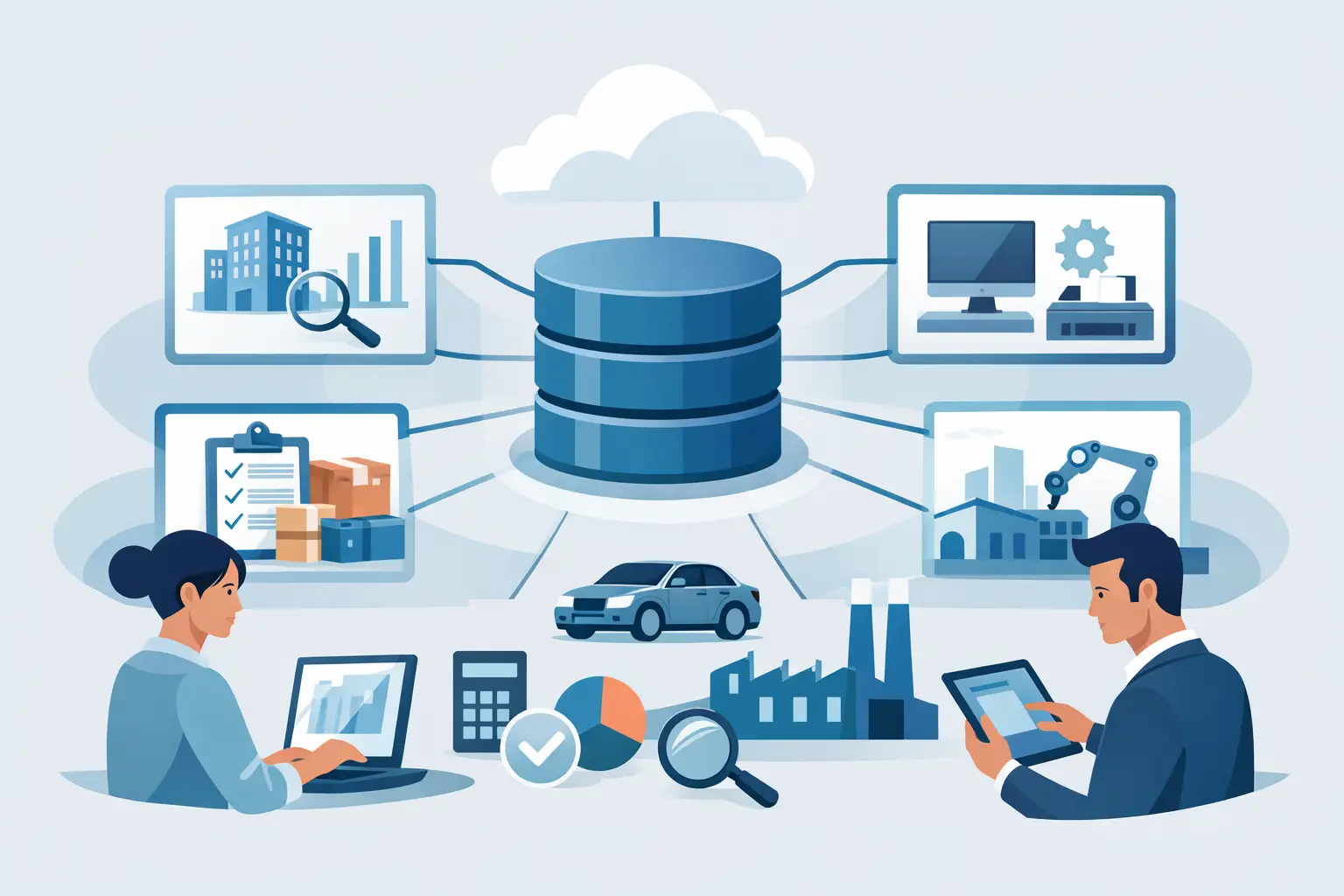
Effective improvement starts with centralization. A single source of truth means that every authorized department works with the same asset status, the same location, and the same change history. This is a seemingly technical change, but its impact is business-driven: fewer questions, less manual reconciliation, and faster decision-making.
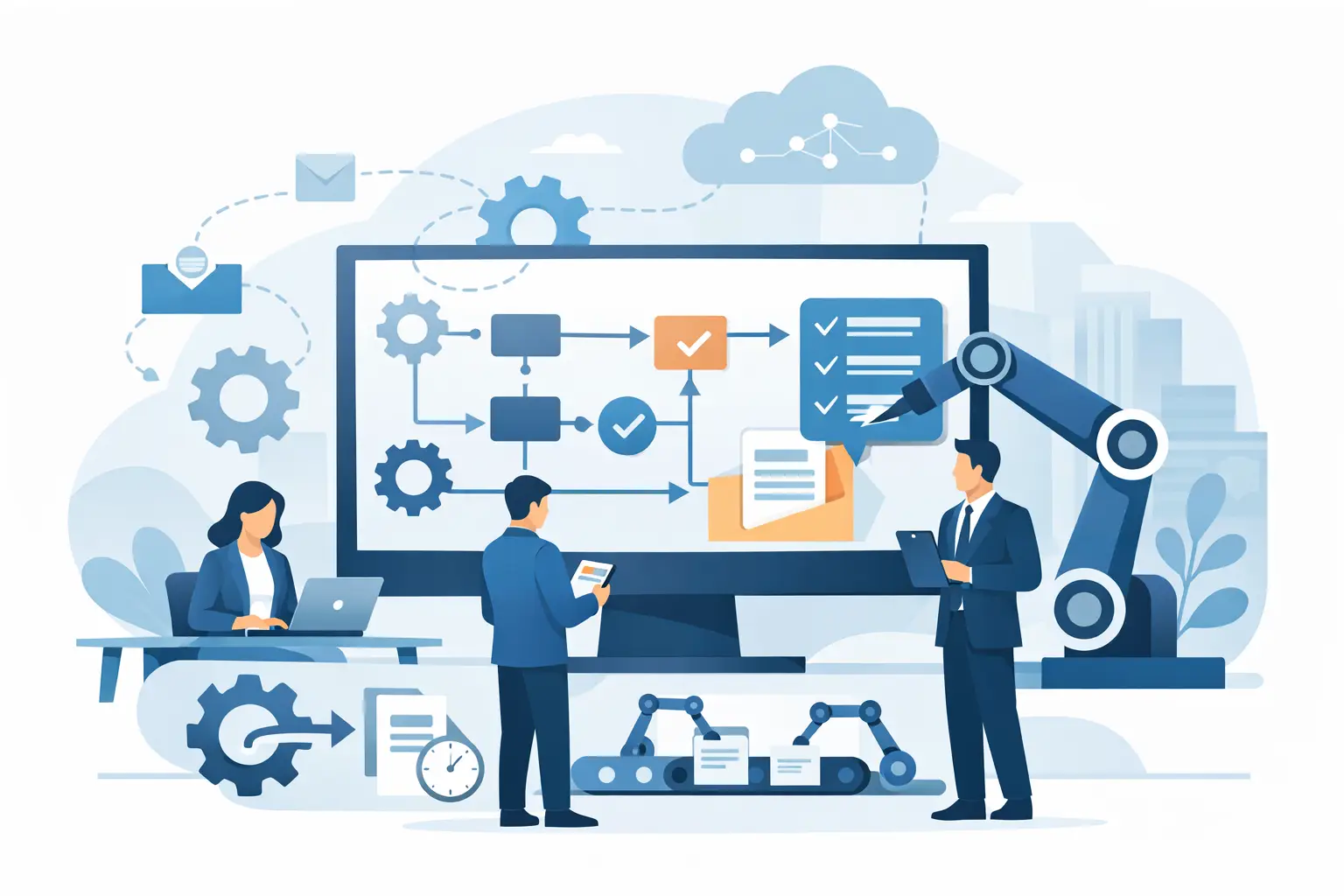
The second pillar is automation. Not every task needs to be performed manually, especially if it is repetitive and rule-based. This applies to inventory reminders, request workflows, status updates, and exception reporting. When a system tracks deadlines and data completeness, the administrative department no longer has to act as a manual coordinator.
The third element is process accountability. Record-keeping works efficiently when it is clear who approves a receipt, who confirms a location change, who is responsible for user assignment, and who closes the disposal process. Without this, even a good tool quickly turns into another repository of outdated data.
A spreadsheet works well at the beginning, when assets are limited and the number of operations is small. The problem arises when the organization grows or operates in a distributed model. It only takes a few branches, equipment rotation between units, and multiple users for manual record-keeping to start slowing down daily operations.
In practice, this becomes visible quickly. The finance department has its own register, administration maintains an additional operational list, and users report changes via email or phone. Information does not reach the system at the same time, so the organization loses visibility of its assets. This situation increases the risk of errors during inventory, complicates audits, and raises the cost of managing each item.
It is also worth separating two perspectives: accounting and operational. From a regulatory standpoint, accurate formal records are what matter. From a business standpoint, you also need real-time knowledge of where an item is, who is using it, what its condition is, and whether it is still needed. Only by combining these perspectives can you achieve real control.
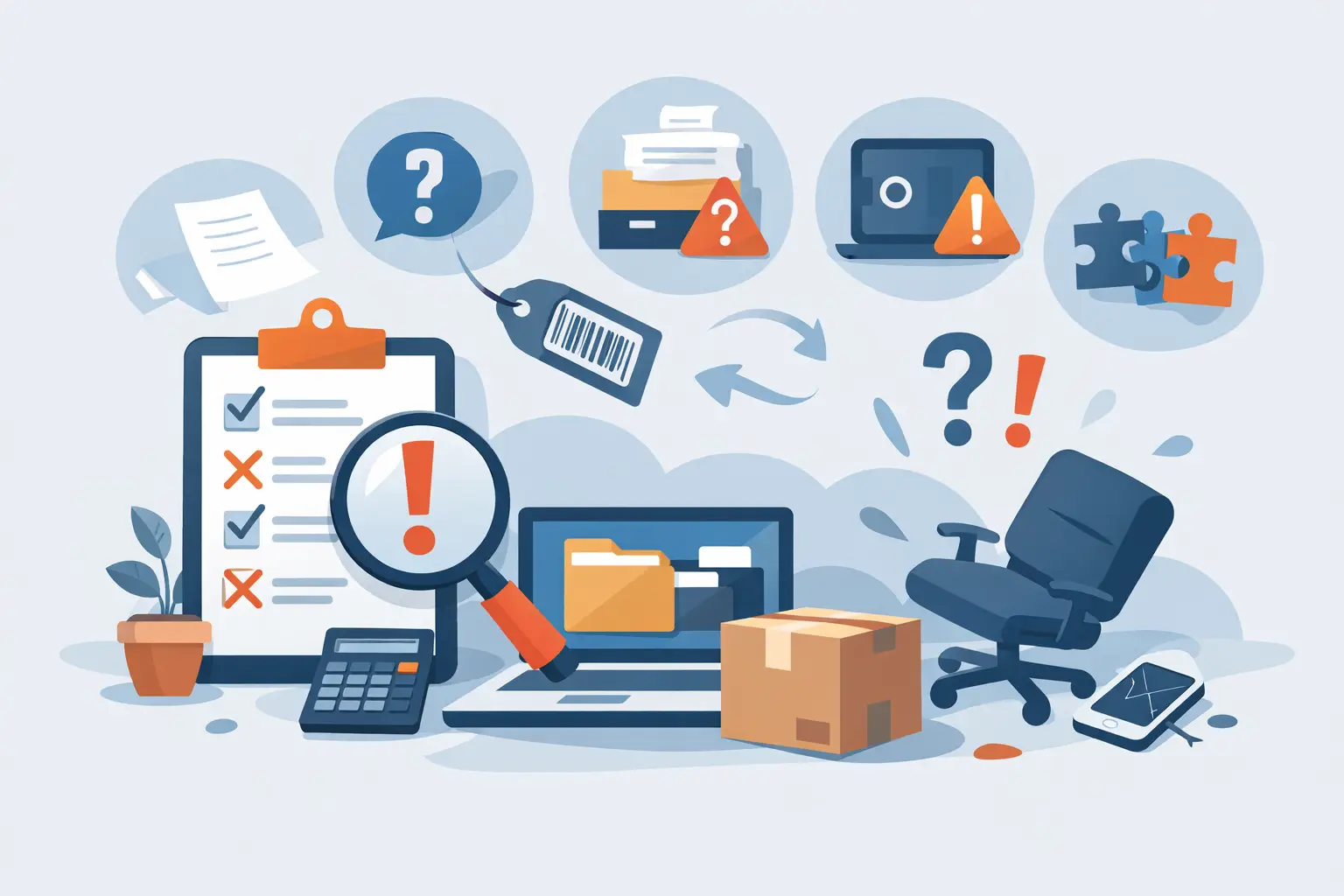
Losses are not always spectacular. More often, they accumulate quietly. An organization buys new equipment because it cannot see available resources in another location. Inventory takes longer because discrepancies have to be explained manually. Employees perform the same tasks in several places because data is not synchronized. On top of that, there are errors resulting from inconsistent descriptions, gaps in change history, and delays in updates.
This is precisely why improving record-keeping should not be treated as a purely administrative matter. It is an operational project with a direct impact on costs, labor time, and the quality of internal control.
A well-designed record-keeping system does not end with entering an asset into a database. It should cover the entire lifecycle of the item—from purchase and receipt, through usage and movement, to decommissioning. This ensures that every change has its place, justification, and a trail in the history.
This approach also streamlines cooperation between departments. Finance needs accurate record data, administration wants to handle asset flow efficiently, and operations expect quick equipment availability and clear rules of responsibility. If each of these areas works in isolation, the organization loses consistency. If they work within a single model, record-keeping begins to support the business rather than just documenting events.
The best results come from reducing manual data entry. When information about an item is entered once and then used in subsequent stages of the process, the number of errors drops and processing speed increases. The same applies to the standardization of fields, statuses, and approval pathsThe less ambiguity there is where it isn't needed, the more predictable the process becomes.
However, this does not mean that every organization should implement an identical model. For a company with multiple offices, the key will be tracking locations and assignments quickly. In a healthcare entity, greater emphasis may be placed on procedural compliance, usage history, and audit readiness. Streamlining should correspond to the scale, structure, and operational risk of the specific organization.
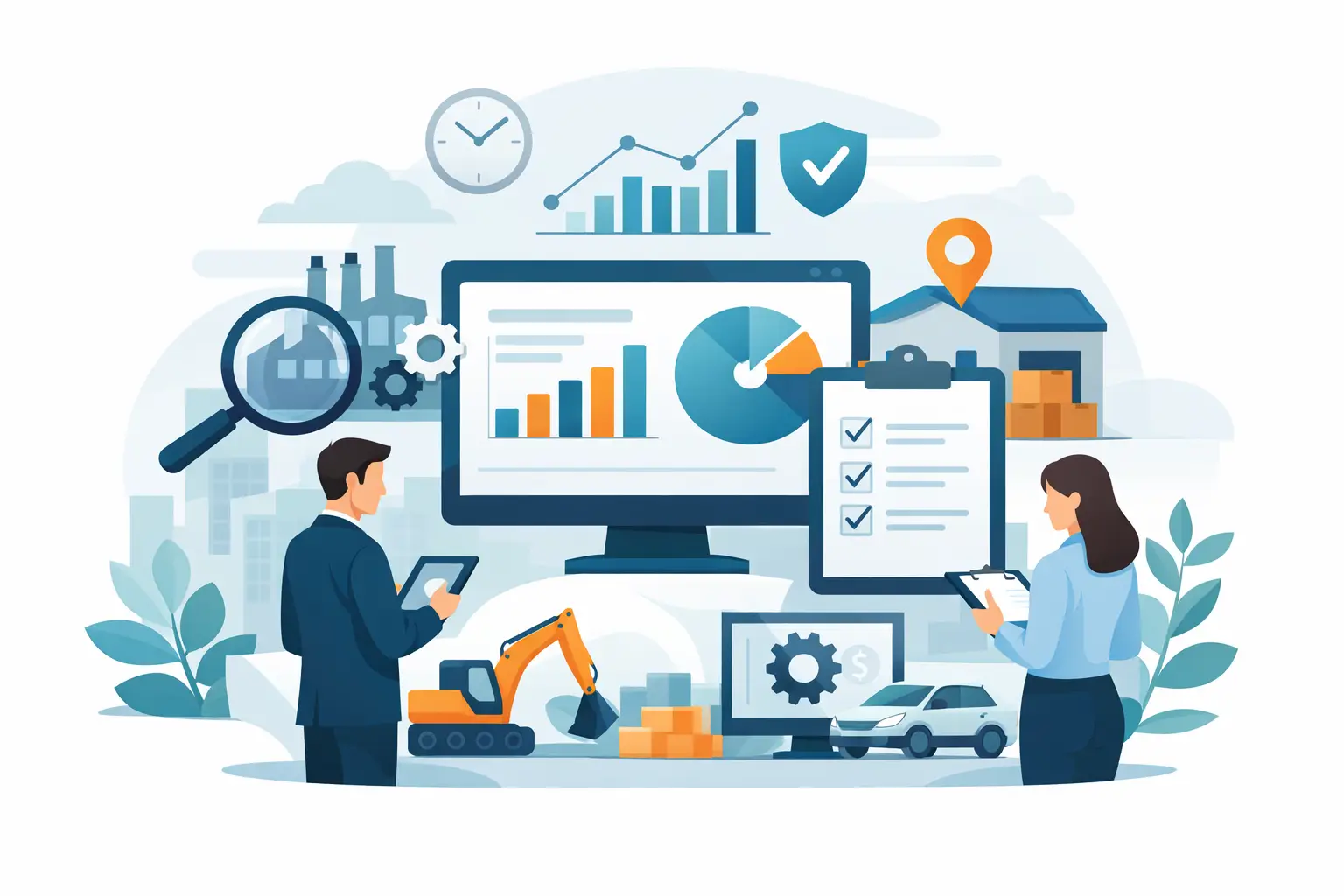
A central system organizes data, but its greatest value lies elsewhere. It enables decision-making based on an up-to-date picture of assets. This is the difference between searching for information and managing it.
In practice, this means faster identification of where a given item is located, who is responsible for it, and whether it is being used as intended. It also facilitates procurement planning, as the organization can see which resources are available, redundant, or improperly distributed. At scale, such decisions translate into measurable savings.
It is also worth paying attention to inventory. If data is kept up to date throughout the year, the physical inventory process itself ceases to be a rescue mission. It becomes a planned check—shorter and less burdensome for teams. This is one of those areas where technology provides a quick return, provided that the implementation also includes streamlining work procedures.
Technology alone will not fix chaos. If inconsistent data is fed into a new system and processes remain unclear, the organization will simply move the problem into a new environment. Therefore, implementation should begin by organizing the record-keeping model: dictionaries, roles, statuses, change paths, and accountability rules.
Only on this foundation should automation and reporting be built. Then, the system is not just another tool for data entry, but a mechanism for operational control. This is the model EXINO uses, combining the platform with an implementation methodology focused on reducing inventory time, limiting unnecessary purchases, and improving asset visibility across the entire organization.
A phased approach is also essential. Not every company needs to cover all locations and all asset classes in a single project. Sometimes it is better to start with the area where the problem is most significant, such as mobile equipment, machinery, or assets distributed across branches. Such a start demonstrates results faster and facilitates the further expansion of the solution.
The best indicator is not the number of records in the system, but the quality of daily work. If it takes less time to determine the status of an item, the inventory process runs faster, the number of corrections decreases, and the number of unnecessary purchases drops, it means the organization is regaining control.
A well-functioning record-keeping system should also reduce dependency on individuals. Knowledge about assets cannot be hidden in an email inbox, a private file, or the memory of an employee who has coordinated the process for years. The more organized and system-supported the process is, the greater the organization's resilience to turnover, absences, and growth in scale.
In practice, the question is not whether it is worth streamlining fixed asset records, but how quickly an organization wants to reclaim time, reduce losses, and start managing assets based on data rather than guesswork. Where assets are dispersed, dynamic, and costly, orderly record-keeping very quickly becomes an operational advantage.






















.webp)