Łukasz Sagun
2026-03-25
•
7
min
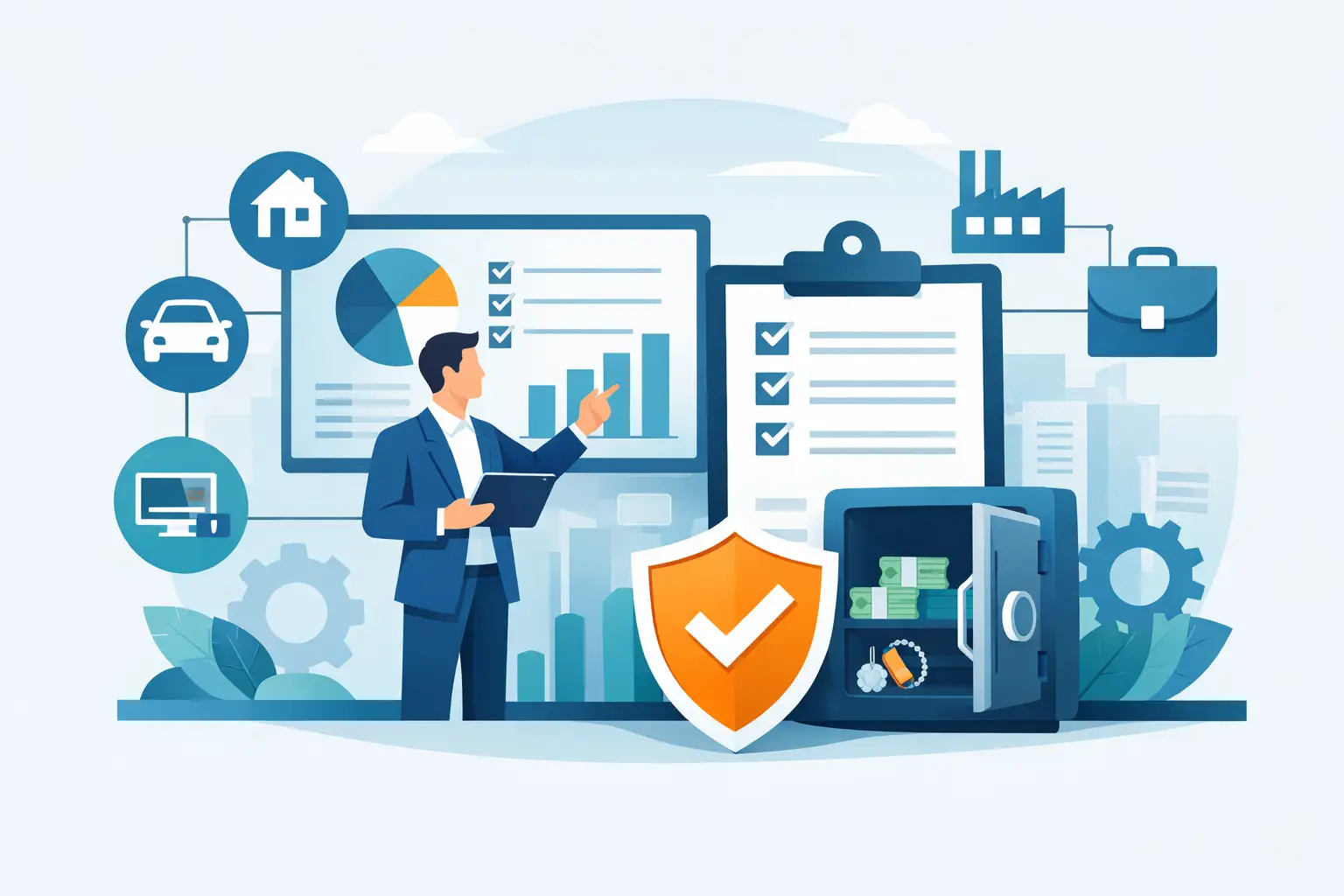
In a multi-site organization, the problem rarely starts with a lack of equipment. It starts with the lack of answers to simple questions: where exactly is a given item, who is responsible for it, what is its condition, and can it be reused instead of buying another one? An asset management system turns these questions into readily available data, rather than a series of phone calls, spreadsheets, and manual reconciliations.
For administration, finance, operations, and compliance departments, asset management is more than just a formal obligation. It is a process that impacts purchasing costs, inventory efficiency, equipment security, and the reliability of data used in management decisions. The larger and more dispersed the organization, the higher the cost of working with outdated information.
A spreadsheet can handle a simple register well in a small company. The problem arises when fixed assets and equipment change their location, user, technical status, or usage. In such a model, every change requires a manual entry, and data accuracy depends on the consistency of many different people.
In practice, parallel sources of information emerge: accounting records, equipment lists maintained by administration, transfer documents, and local data at branch offices. These sets are not always consistent. As a result, an organization may own equipment it cannot quickly locate, or purchase new devices despite having available resources at another facility.
The cost of this problem is not limited to the purchase itself. It includes employee time, the risk of inventory errors, difficulties during audits, and delays in handling breakdowns, relocations, or asset disposals. A systematic approach makes sense when asset data becomes a common point of reference for the entire organization.
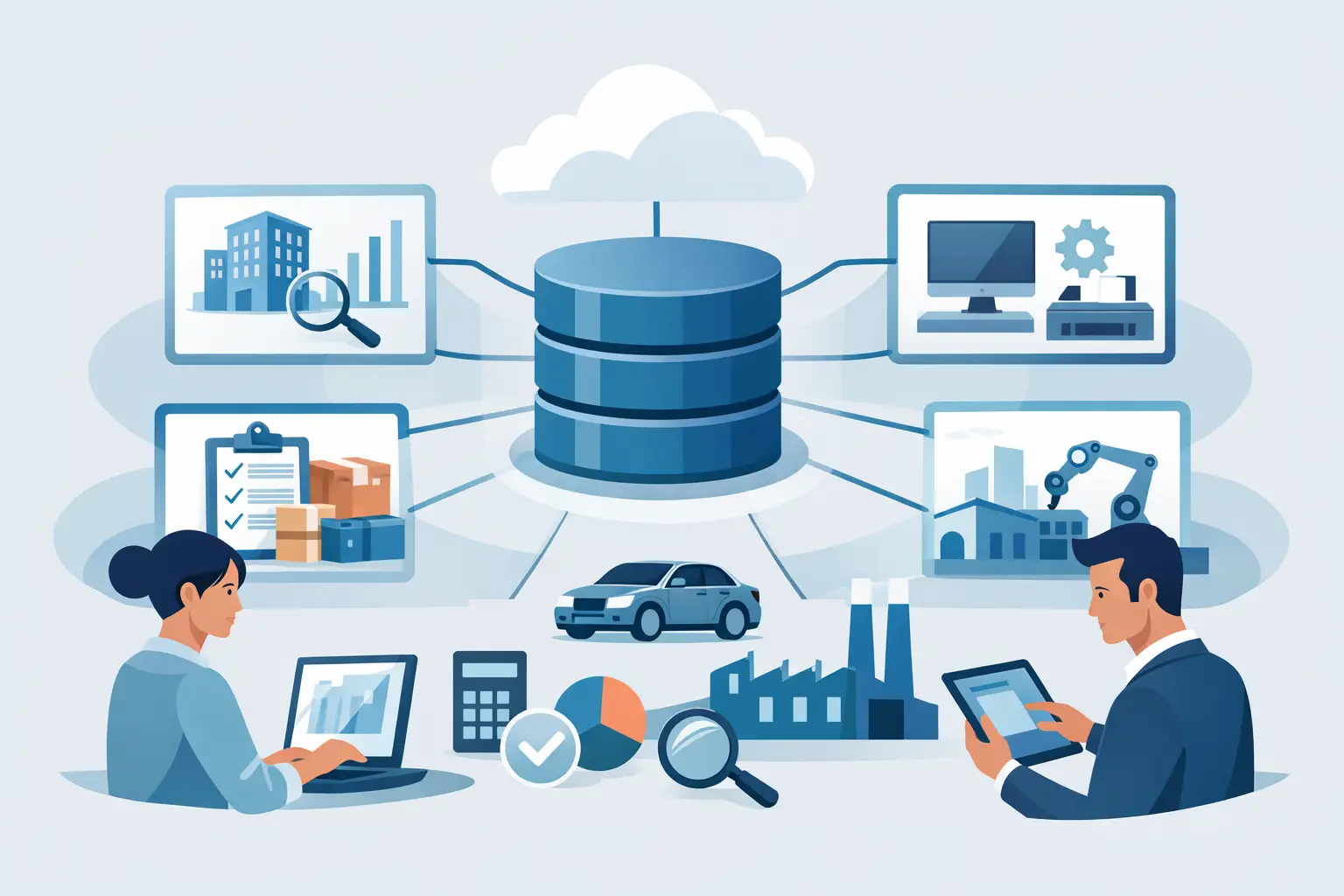
A good system is not just a digital filing cabinet. It should connect the register of items with the processes that happen around them every day. A central database is key, where every item has a unique identity, history, and current status.
For every fixed asset or piece of equipment, it is worth collecting more than just an inventory number and value. It is equally important to track the assignment to a location, department, and user, as well as information on purchase documents, warranties, technical condition, movement history, and maintenance schedules. The scope of data must be tailored to the type of assets and the organization's requirements. A hospital will describe medical equipment differently than a manufacturing company describes machines and tools, but in both cases, full traceability remains essential.
The system should also support the actual lifecycle of an item: acquisition, labeling, assignment to a user, transfer, service, inventory, status change, and disposal. When these actions are recorded in a single environment, the administration does not have to reconstruct history based on emails and paper protocols.
Records only become useful when an item can be quickly identified while working on-site. That is why practical implementations use barcode labels, QR codes, or RFID technology. The choice depends on the nature of the assets, the scale of operations, and the required reading speed.
QR and barcodes are a simple and economical solution, especially for labeling office equipment, IT devices, or furniture. RFID may be justified where the number of items is very large, inventory must be done quickly, or reading without direct line-of-sight to the label provides significant time savings. Technology should not be an end in itself. It is meant to streamline operational work and improve data quality.
A single database does not mean that every user should see and edit everything. An asset management system should allow for assigning roles that align with employee responsibilities. An administrator can manage the data structure, a person responsible for a location can confirm the presence of equipment, and the finance department can access the information needed for settlements and control.
Such a division reduces the risk of accidental changes and speeds up process approval. An audit trail is equally important: information on who changed item data, when, and on what basis. In organizations with high procedural requirements, this is a control element, not an additional feature.
Inventory often reveals the weaknesses of record-keeping only when it is already too late to calmly organize the data. Teams receive outdated lists, manually compare numbers, describe discrepancies, and after the count is finished, re-enter the results into several systems. Such a process involves many people and easily generates errors.
In a digital model, the employee conducting the inventory uses an up-to-date list of assets assigned to a location. They scan the label, confirm presence, indicate a change of location, or mark an item as missing. The result goes directly to a central repository, where discrepancies can be analyzed immediately and follow-up tasks assigned to the appropriate people.
This does not mean that every inventory will proceed without exceptions. Equipment may be in for service, temporarily issued, or in transit. The difference is that the exception is visible and assigned a status, rather than remaining an unresolved line item on a spreadsheet. The organization benefits from shorter inventory times, fewer post-inventory corrections, and better documentation of the process.
The greatest value of the system does not come from the mere fact that the register is complete. It emerges when data influences operational decisions. If the purchasing department can check the availability of a device in other locations, it is easier to avoid duplicate purchases. If administration sees assets that are unused or only partially utilized, they can plan their relocation.
It is worth regularly analyzing four areas: assets not found during inventory, equipment that has been unused for a long time, items approaching the end of their warranty or inspection date, and items frequently moved between locations. Each can point to a different source of cost—from lack of accountability to inefficient purchasing and service planning.
Data can also support budget planning. The history of breakdowns, equipment age, and repair costs allows you to distinguish between assets worth servicing and those whose maintenance is no longer economically justified. Such decisions require quality data, not declarations based on the memory of individual employees.
The most common mistake when choosing a tool is transferring existing chaos into a new system. Before launching the platform, you must determine which asset classes will be recorded, who is responsible for the data, when an asset's status is updated, and how exceptions are handled. Without these rules, even the best technological solution will not ensure lasting control.
It is worth implementing in stages. First, organize the location structure, asset categories, and identification rules. Then, you can perform data import and verification, label the assets, and launch processes for a selected group of users. Only after testing the model in practice is it reasonable to expand the solution to other branches, departments, or asset classes.
It is also important to prepare success metrics. These could include inventory completion time, the number of unconfirmed assets, the percentage of equipment with an assigned user, the number of relocations instead of new purchases, or the time required to prepare data for an audit. Metrics give the implementation direction and allow you to evaluate the business impact, not just the number of records entered.
During a system presentation, it is worth asking to see specific scenarios: receiving a new asset, changing a user, transferring between locations, mobile inventory, and a discrepancy report. This provides a more reliable picture than a mere list of features.
You should also check whether the solution meets the scale of the organization and its procedures. A company with one office has different needs than a group of medical facilities, a chain of branches, or a manufacturing plant. What matters is the ability to configure, manage permissions, the quality of implementation, the availability of support, and the system's ability to grow with the organization.
EXINO combines an asset management platform with an implementation methodology, because lasting improvement in control requires both the right tool and orderly operating rules. Technology should unburden teams, not create another administrative chore.
A well-implemented registry does not end with compliance during inventory. It gives the organization ongoing knowledge of what it owns, where assets are located, and how they can be used better—before another expense becomes a necessity.














.webp)